Autonomy & support
Staying independent as you get older is rarely about one dramatic decision. Instead, it is the sum of dozens of smaller choices: where you place a grab bar, whether you join that walking group, how you coordinate your medications between your GP and hospital consultant. Each choice either strengthens or slowly erodes your ability to live life on your own terms.
The good news is that research consistently shows most people can remain in their own homes far longer than they expect, provided they take proactive steps rather than waiting for a crisis. Whether you are in your sixties and thinking ahead, or in your eighties and determined to stay put, this resource explores the key areas that determine how independently you can live: home safety, physical function, social connection, care services, health technology, and coordinating your healthcare.
Think of maintaining independence like tending a garden. Neglect one area and weeds spread everywhere. But consistent attention across all the beds keeps everything flourishing. The articles within this section explore each of these areas in depth, whilst this overview connects them into a coherent strategy you can actually follow.
Why Home Safety Forms the Foundation of Everything Else
Your home is meant to be your sanctuary, but after the age of 65, it becomes the location where most preventable injuries occur. Statistics from NHS England show that falls are the leading cause of emergency hospital admissions for older adults, and approximately 80% of serious home falls happen in the bathroom. Understanding this transforms how you think about home modifications: they are not signs of decline but investments in continued freedom.
The bathroom: your home’s highest-risk zone
Wet surfaces, hard edges, and the physical demands of bathing create a perfect storm. A simple grab bar positioned correctly can reduce fall risk dramatically, yet many people delay installation because they worry about their bathroom looking institutional. The reality is that modern safety equipment comes in stylish finishes that blend with any décor. Wall-mounted bars, floor-to-ceiling poles, and properly rated suction options each serve different needs and bathroom layouts.
Beyond the bathroom: a whole-home approach
Fall hazards lurk throughout your home. Loose rugs, trailing cables, poor lighting on stairs, and furniture placed in walking paths all contribute to risk. A systematic room-by-room assessment can identify problems before they cause injury. Interestingly, better lighting is often the most underrated fall prevention measure—simply adding brighter bulbs or motion-activated lights on the landing can dramatically reduce nighttime falls.
The key is matching modifications to your changing needs. What works at 70 may need updating at 80. Regular reassessment ensures your home evolves alongside you rather than becoming a hazard trap.
Maintaining Physical Function: The Abilities That Predict Your Future
Your body provides early warning signals about future independence, but most people miss them because they adapt unconsciously. That moment when you start gripping the banister more tightly, or when you avoid certain chairs because standing up feels harder—these subtle changes deserve attention, not denial.
The stair test and other predictive markers
Research has identified that losing the ability to climb stairs comfortably predicts significant independence decline within five years. This makes stairs not just a daily obstacle but a valuable measuring stick. Similarly, how quickly you can rise from a chair, your walking speed, and your balance when turning all serve as markers worth monitoring.
Exercise options that actually work
The debate between home exercise, physiotherapy, and activity groups misses the point: the best option is whichever one you will actually do consistently. Home exercise offers convenience but requires self-discipline. NHS physiotherapy provides expert guidance but may involve waiting lists. Community activity groups combine social connection with physical movement, addressing two needs simultaneously. Many people find a combination works best—perhaps a weekly group class supplemented by simple home exercises on other days.
If physical limitations have ended activities you previously enjoyed, adaptation rather than abandonment becomes essential. Swimming, for instance, remains possible with the right pool access solutions, and many leisure centres now offer sessions specifically designed for older adults with mobility challenges.
Social Connection: The Overlooked Pillar of Independence
Loneliness is not merely unpleasant—it is a genuine health risk comparable to smoking fifteen cigarettes daily, according to research cited by Age UK. Yet making new friends after 65 presents genuine challenges: retirement removes workplace connections, health issues limit mobility, and bereavement shrinks social circles naturally.
Recognising isolation before it becomes dangerous
Isolation often creeps in gradually. The warning signs include declining personal care, reduced interest in previous hobbies, changes in eating patterns, and increasingly negative or anxious thinking. Recognising these signs in yourself requires honest self-reflection; spotting them in a parent requires attentive observation beyond superficial check-ins.
Finding connection that fits your life
The choice between professional befriending services and local clubs depends on your circumstances. Befriending services offer reliable, scheduled contact that works well for those with mobility limitations or social anxiety. Clubs and groups provide broader social networks and shared activities but require more energy and confidence to join initially.
Volunteering offers another pathway, allowing you to contribute your professional skills whilst building connections. Even when physical limitations end previous volunteer roles, organisations increasingly offer adapted positions. Intergenerational programmes connect older adults with younger people, providing mutual benefits that combat stereotypes on both sides.
Understanding Your Care Options Before You Need Them
Television dramas paint home care in dramatic colours that bear little resemblance to reality. Understanding what services actually exist—and how to access them—removes fear and enables informed decision-making. Crucially, accepting help at home often extends independence rather than signalling its end.
The landscape of care services
Home care ranges from brief daily visits for medication prompting through to complex packages supporting people with significant needs. Council-funded care, NHS continuing healthcare, and private agencies each serve different situations:
- Council care follows a formal needs assessment process and is means-tested, with eligibility criteria varying across local authorities
- NHS services cover healthcare needs, including district nursing and some therapy services, free at the point of use
- Private agencies offer flexibility and speed but require self-funding, with costs varying significantly by region and service level
Getting the assessment right
A care needs assessment through your local council determines eligibility for funded support. Preparing properly for this assessment—documenting difficulties, having family present, being honest about bad days—significantly affects outcomes. Understanding the appeals process matters too, as initial assessments do not always capture the full picture.
When choosing a private agency, look beyond glossy brochures. Staff turnover rates, training standards, Care Quality Commission ratings, and references from current clients reveal far more than marketing materials.
Technology That Supports Ageing in Place
A decade ago, technology for older adults meant clunky medical alert pendants. Today, the field of gerontechnology encompasses everything from smartwatches that detect falls to apps that manage medications. Understanding what is available—and what actually helps versus what is gimmicky—empowers better choices.
Matching technology to genuine needs
Technology broadly falls into three categories: safety technology (fall detection, door sensors, medication dispensers), communication technology (video calling, social apps), and cognitive support tools (reminders, memory aids). The most useful technology addresses your specific circumstances rather than offering generic solutions.
Smartwatches illustrate this well. At 45, a smartwatch is largely a gadget. At 75, that same device’s ability to detect irregular heart rhythms, track sleep patterns, and alert emergency contacts after a fall transforms it into a potential lifesaver. The key is choosing between smartwatches, fitness bands, and medical-grade monitors based on your health needs and technical comfort.
Privacy and dignity in a monitored world
Surveillance concerns are legitimate. Monitoring should enable independence, not create an open prison. This means negotiating boundaries with family members, choosing what data to share and with whom, and maintaining control over your own information. Technology should serve you, not the other way around. Planning your technology needs at 65—before cognitive changes complicate learning—prevents the scramble of starting from scratch at 85.
Coordinating Your Healthcare Across Multiple Providers
Managing multiple conditions means navigating a fragmented system where your GP, hospital consultants, pharmacist, and community nurses may never speak to each other. This creates dangerous gaps where crucial information falls through cracks, medications interact badly, or conflicting advice leaves you paralysed with confusion.
Creating your own coordination tools
A single-page health summary that travels with you to every appointment prevents repetitive explanations and ensures each professional sees the complete picture. Similarly, a personal health dashboard tracking all conditions, medications, and appointments in one place gives you control that fragmented NHS systems currently cannot provide.
Making remote care work for you
Video consultations with your GP offer genuine advantages when used appropriately—avoiding a three-week wait for a simple query makes good sense. Preparation matters more for video appointments than in-person visits: having medications to hand, good lighting, and a written list of questions maximises the value of limited screen time. For those unfamiliar with video calling, setup is simpler than it appears, and most GP practices now offer telephone support for first-time users.
Health apps for medication reminders, symptom tracking, and appointment management can outperform memory and paper systems, but only if chosen carefully and actually used consistently. The trick is finding apps that genuinely help without stealing your data or demanding excessive time investment.
Maintaining autonomy whilst accessing appropriate support is not about refusing help—it is about choosing the right help at the right time, on your own terms. Each article in this section dives deeper into specific aspects of this balance, giving you the detailed knowledge to make informed decisions about your own future or support a loved one in making theirs.
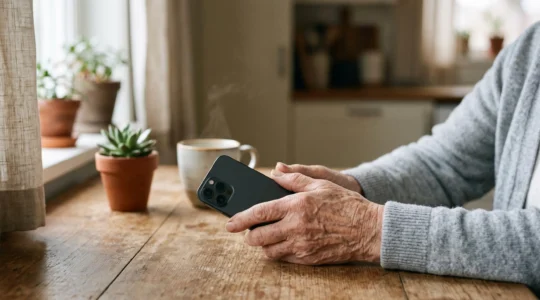
Why a Phone App Is a Better Medication Partner Than Your Memory
A health app’s true value isn’t the reminder alarm; it’s the intelligent system it builds around your health data. It tracks medication adherence, logs vital signs for trend analysis, and can share a verifiable history with caregivers and doctors. It…
Read more
Why a Video Call With Your GP Could Be Better For Your Health Than Waiting Weeks for an Appointment
A video GP appointment is not a lesser substitute for a face-to-face visit; it’s a distinct clinical tool that, when used correctly, can offer faster, more focused, and uniquely insightful care. Effective preparation transforms you from a passive patient into…
Read more
What Can Your Watch Tell You About Your Heart That Your Doctor Can’t See in a 10-Minute Appointment?
The flood of data from a health wearable can feel more confusing than helpful, especially when you only have a few minutes with your doctor. The key isn’t to focus on every single number. This guide shows you how to…
Read more
Beyond the Gamer: Why Technology Is Finally Being Designed for Life at 80
The real revolution in technology for older adults isn’t about bigger buttons; it’s a fundamental shift from patronizing design to empowering tools that preserve dignity and agency. Effective “age tech” is co-designed *with* older adults, not just *for* them, avoiding…
Read more
Why a smartwatch might save your life at 75 when it was just a gadget at 45
The true value of a smartwatch for an older adult isn’t its features, but how its data becomes a proactive shield for health and independence. What starts as a fitness tracker for steps and sleep at age 45 transforms into…
Read more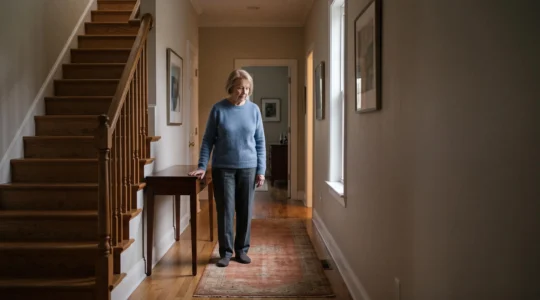
A Specialist’s Guide to Neutralizing the Top Home Fall Hazards for Seniors
The key to effective fall prevention is not a random checklist, but a systematic risk audit that prioritizes high-impact, low-cost changes tailored to your environment. Bone fragility dramatically increases fracture risk from simple falls after age 60, making prevention a…
Read more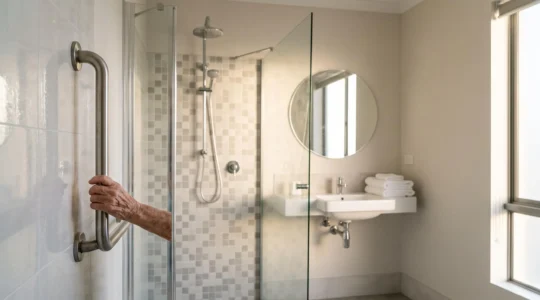
Why Do 80% of Serious Home Falls Happen in the Bathroom and How Does a Simple Bar Prevent Them?
A fall is rarely an accident; it’s a predictable breakdown in balance during specific movements, and a correctly placed grab bar is the tool designed to intervene at that exact moment. The combination of wet surfaces, tight spaces, and complex…
Read more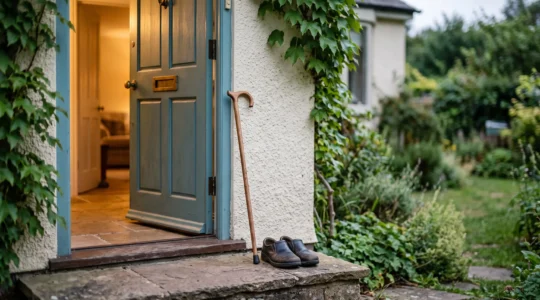
When Does Accepting Help at Home Actually Help You Stay Independent Longer?
Contrary to the common fear, accepting targeted home care is not the beginning of the end of independence—it is the most powerful strategy to prolong it. Viewing support services as controllable ‘tools’ rather than ‘crutches’ fundamentally shifts the dynamic from…
Read more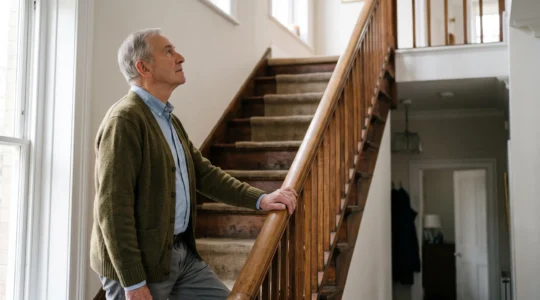
Why Losing the Ability to Climb Stairs Predicts Losing Independence Within 5 Years?
Contrary to popular belief, difficulty with stairs is not just a sign of weak legs; it’s a critical early warning of declining muscle *power*, a specific loss that rapidly predicts a cascade of functional decline. The inability to climb stairs…
Read more